Our identity is a strength
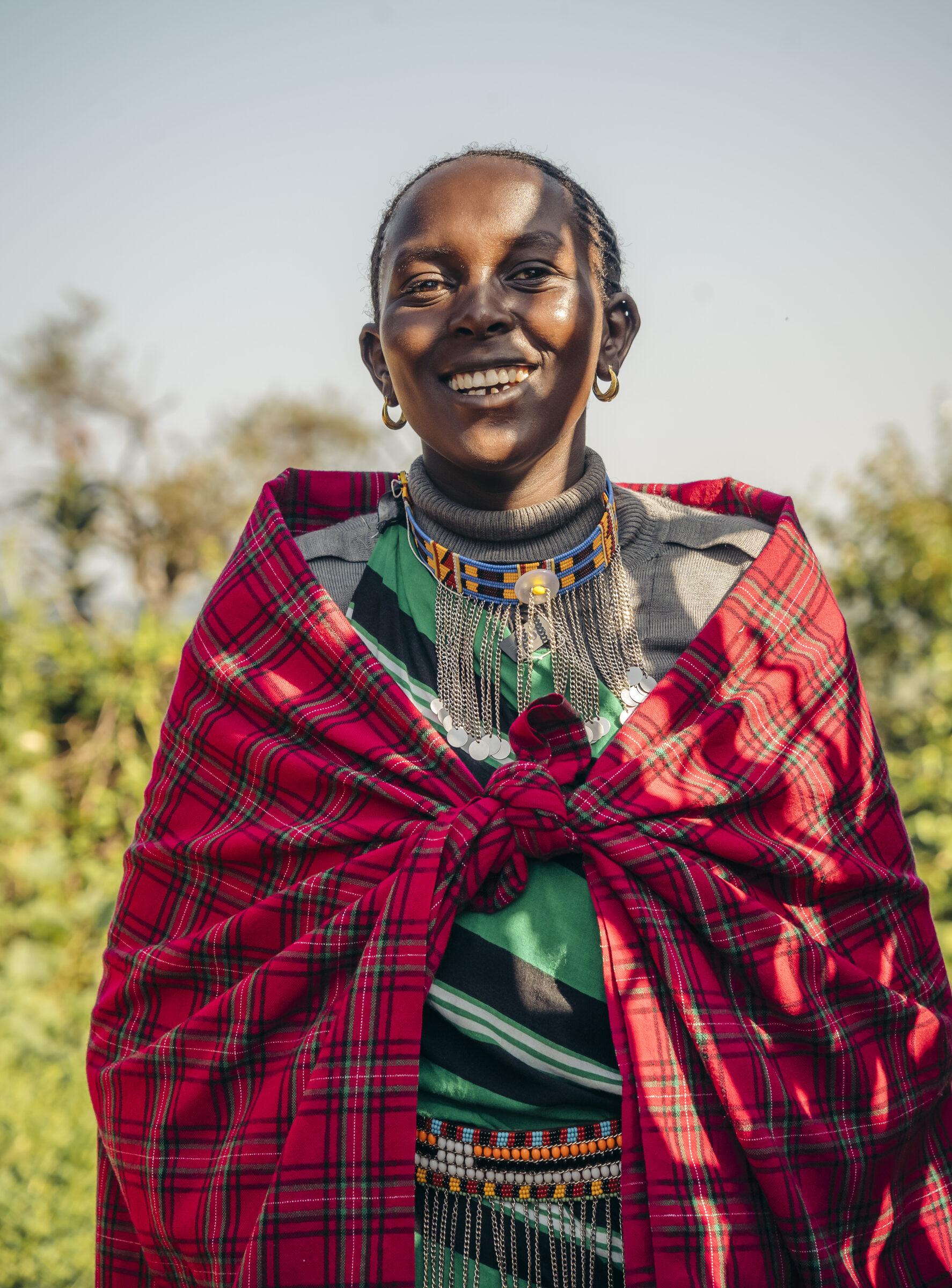
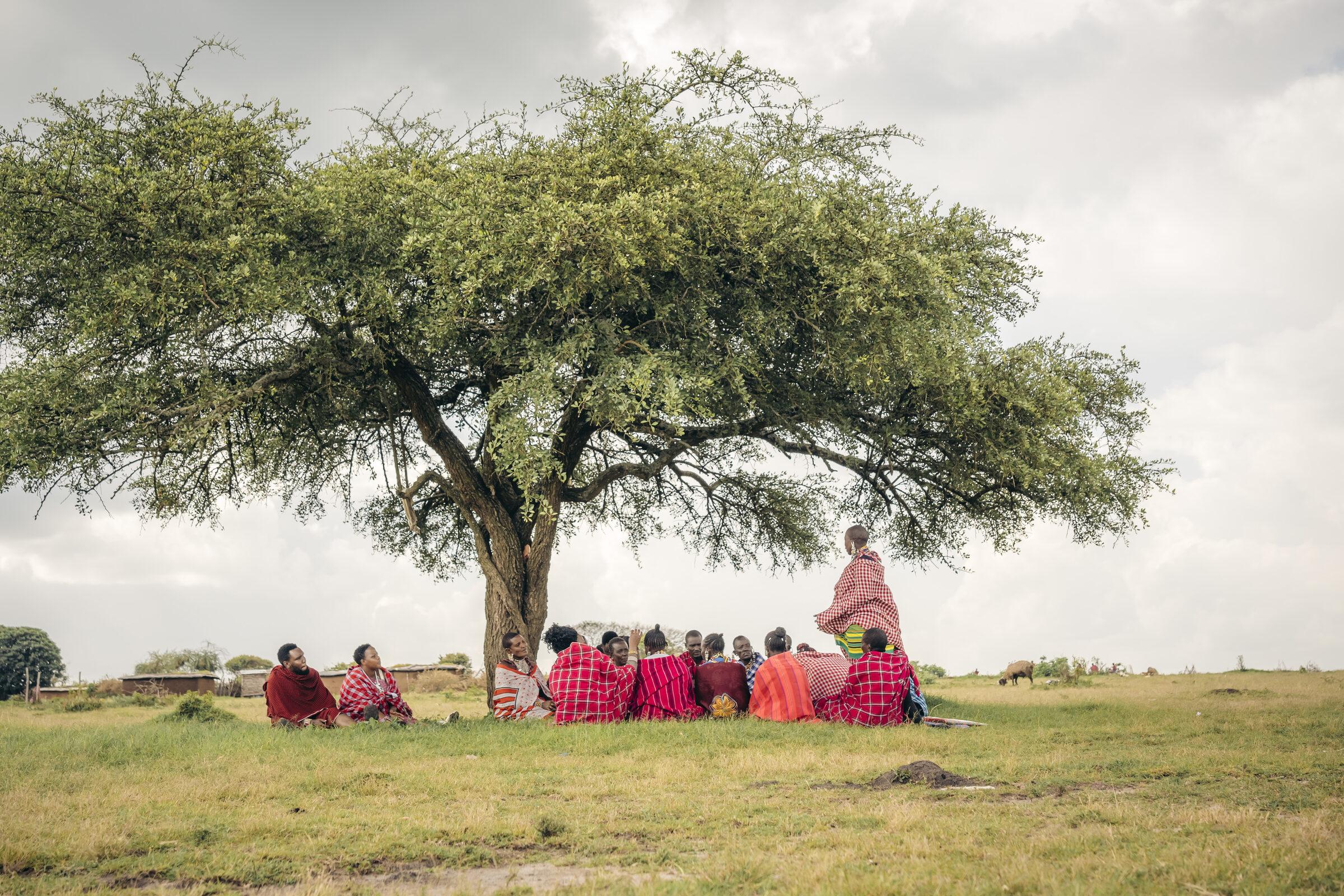
We do not need to become someone else to contribute to the world. Our identity, lived experiences, and Indigenous knowledge can be foundations for innovation and leadership.
Our story
Ubuntu's Flame emerges from a reality many Maasai young people know intimately: the experience of growing up within a strong cultural identity while confronting a world that is changing faster than the opportunities available to us.
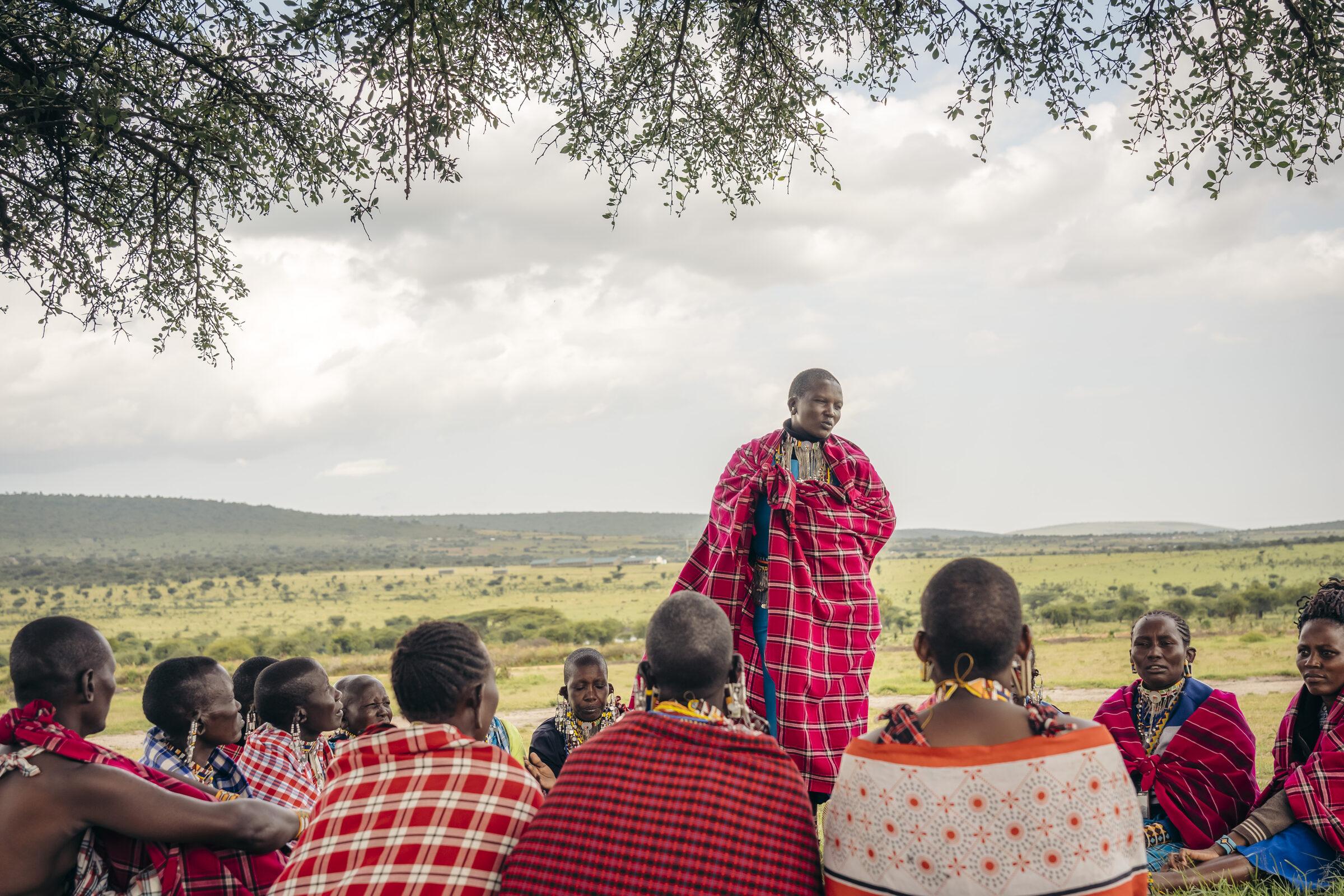
“For many youth, neither world offers an easy path.”
Our communities hold generations of knowledge about livestock, landscapes, weather, water, wildlife, relationships, and collective responsibility. This knowledge has helped pastoralist societies navigate difficult environments and sustain livelihoods across generations.
Yet the systems surrounding us are changing. Land pressures and displacement have affected pastoralist communities in different ways. Climate variability and land degradation add pressure to already vulnerable livelihoods. At the same time, education, technology, employment, and markets are reshaping what it means to be a young person.
The result is a generation that can feel caught between worlds: expected to move forward, yet too often denied the means to do so; encouraged to preserve its culture, yet not always supported to make that culture part of a viable future.
We believe the answer is not to romanticize the past or reject modernity. It is to build a bridge between cultural continuity and contemporary opportunity — investing in skills without erasing identity, creating enterprises without abandoning community values, and restoring the land while strengthening the livelihoods of the people who depend on it.
Ubuntu's Flame is not built on the belief that our communities lack potential. It is built on the conviction that this potential deserves the resources, opportunities, and recognition necessary to flourish.
The meaning of our name
“I am because we are.”
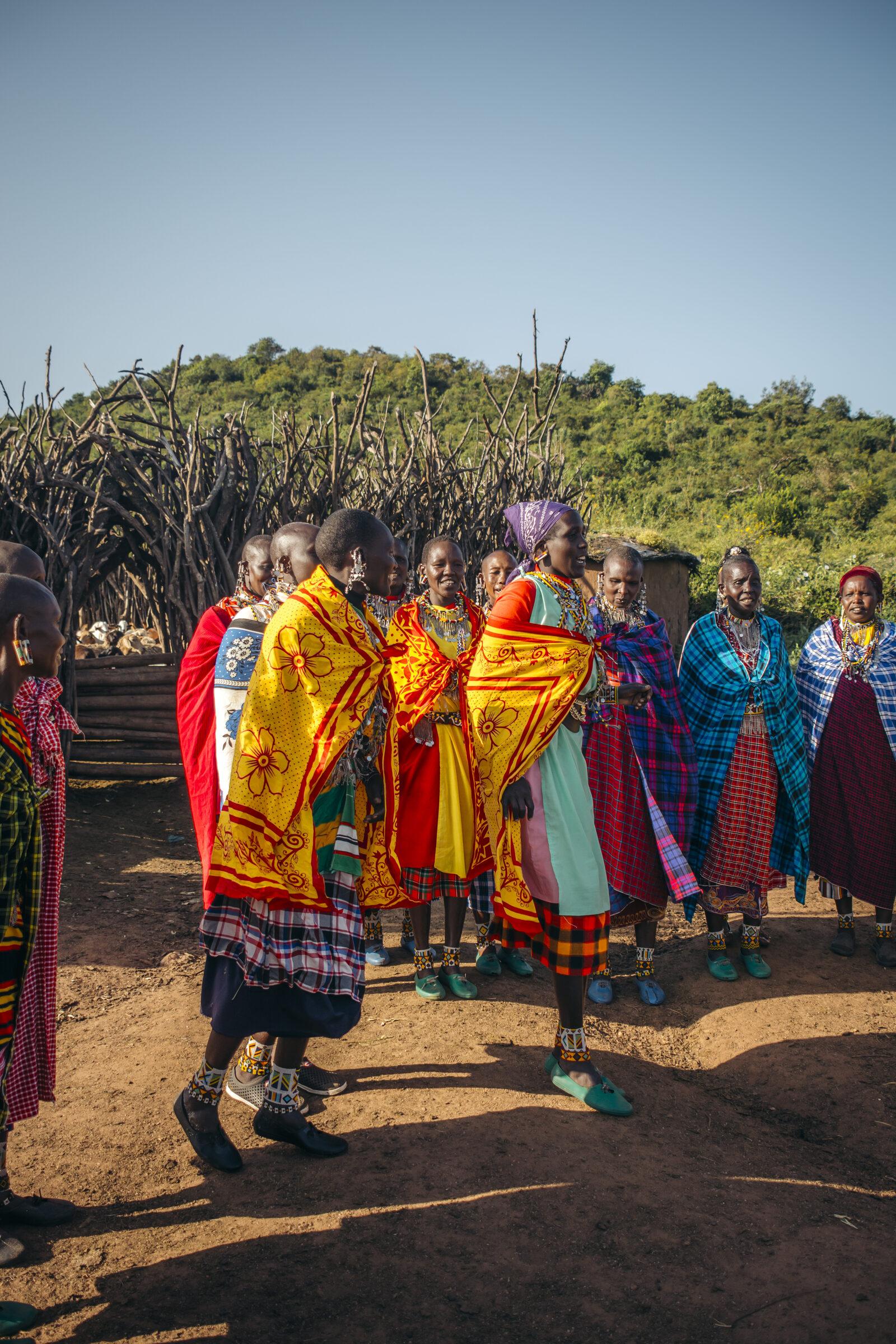
Ubuntu reminds us that no person exists in isolation. Our lives are shaped by relationships, shared responsibilities, community, and the generations that came before us. For Ubuntu's Flame, this philosophy is a call to action.
The spark that must not die.
A flame represents life, energy, courage, and the possibility of transformation. It is the spark that survives difficult seasons, the light that allows people to see a path forward, the energy that turns an idea into action.
Our humanity connects us. Our identity grounds us. Our collective action ignites our future.
What makes Ubuntu’s Flame different
Ubuntu's Flame is a commitment to building solutions with communities, not simply designing them for communities.
What we believe
We do not need to become someone else to contribute to the world. Our identity, lived experiences, and Indigenous knowledge can be foundations for innovation and leadership.
Young people should participate in identifying challenges, designing solutions, managing initiatives, and shaping decisions that affect their lives. We believe in youth as builders.
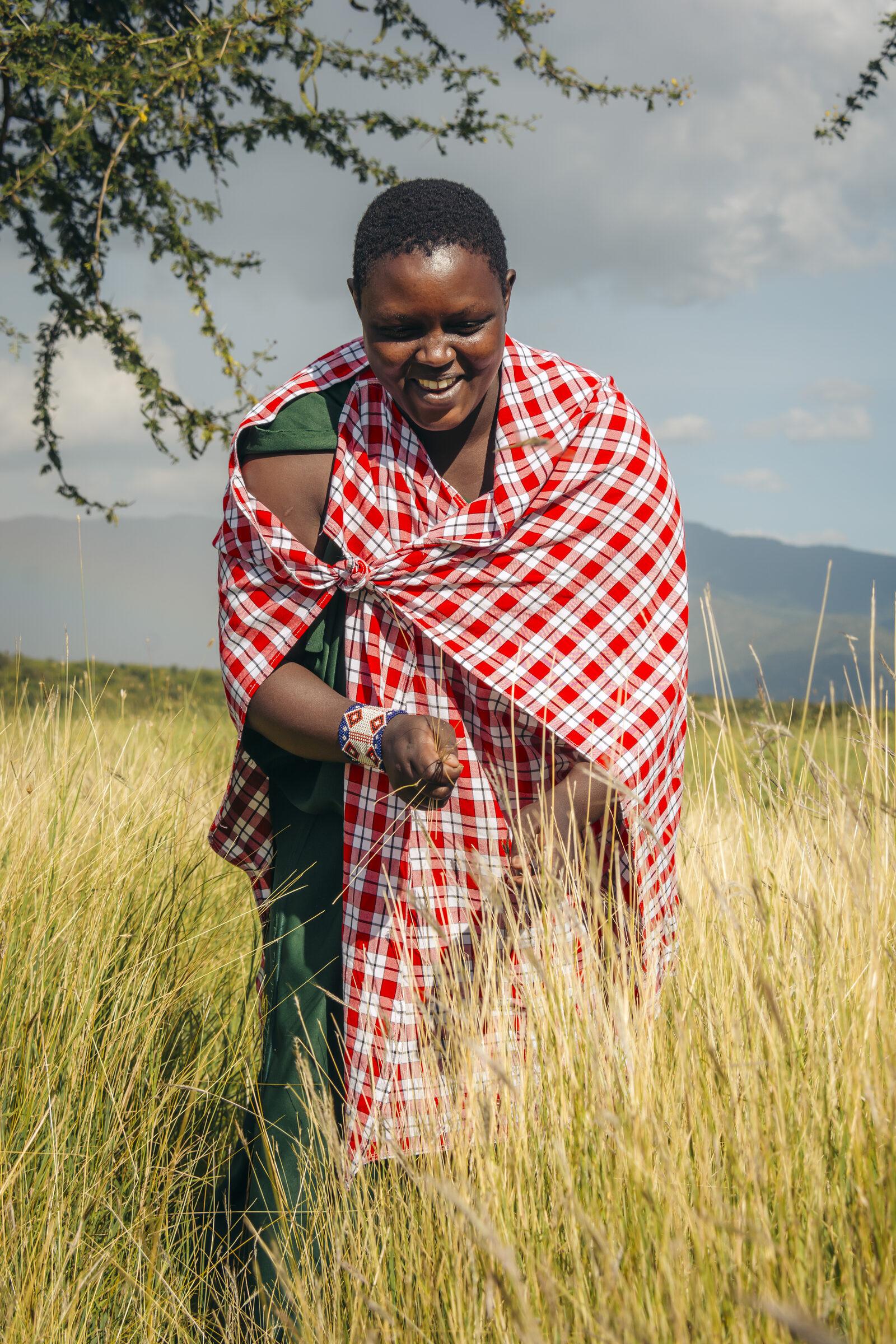
Environmental action is more sustainable when communities have a meaningful stake in its outcomes — making caring for the land part of a viable local economy.
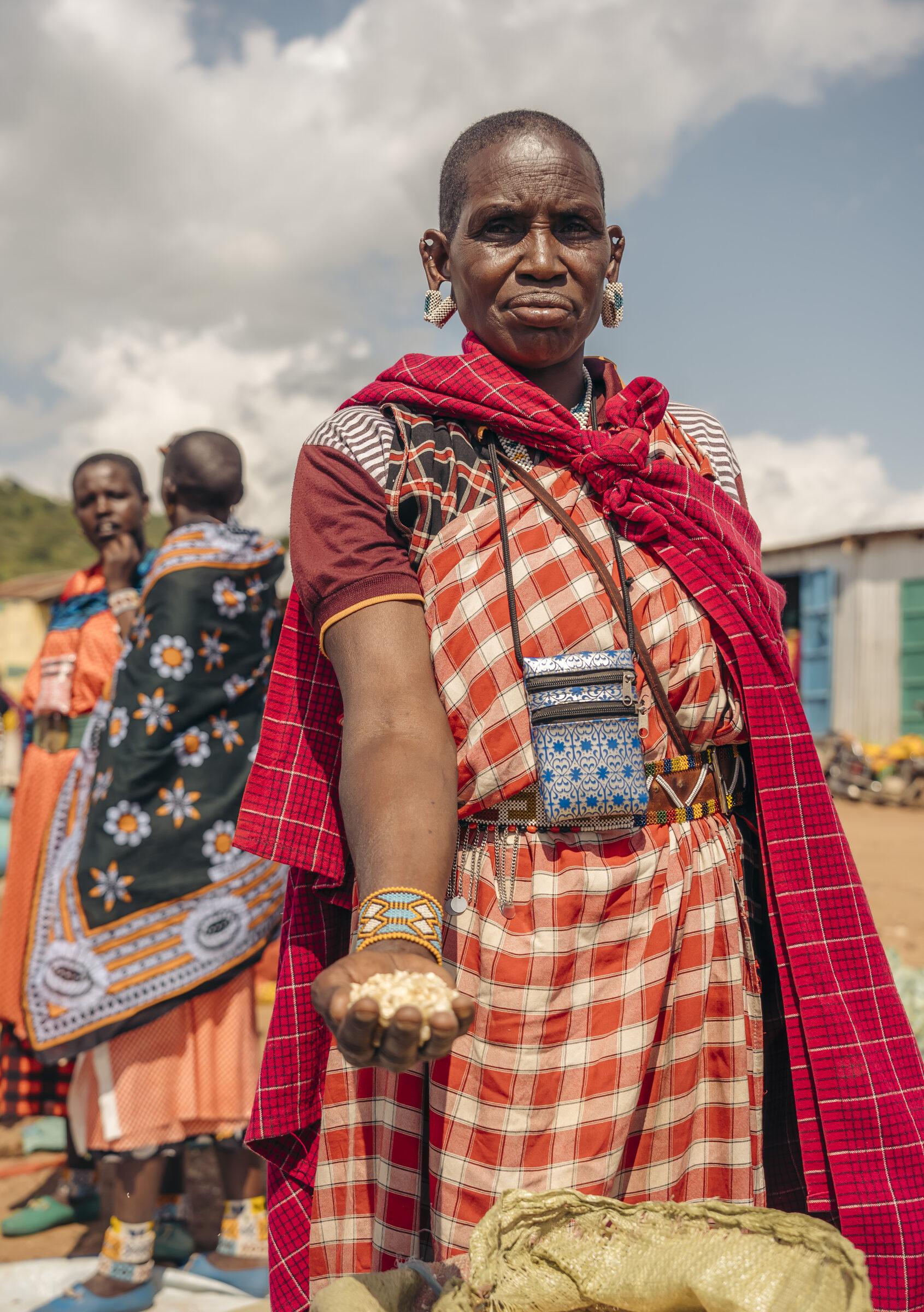
Women's knowledge and work deserve recognition, and their enterprises deserve access to skills, markets, resources, and decision-making.
Education, technology, enterprise, and modern skills should expand young people's choices rather than require them to abandon their heritage.
Individual achievement becomes more meaningful when it also strengthens families, communities, and future generations.
Our vision
A future in which Maasai and other Indigenous pastoralist youth in Tanzania and Kenya thrive economically, restore their landscapes, and lead change while remaining rooted in their identities, knowledge, and communities.
Our mission
To empower Indigenous pastoralist youth through youth-led land restoration, sustainable enterprise development, practical skills, and partnerships that connect local knowledge and community priorities with wider opportunities.
Youth-led rehabilitation of degraded rangelands, appropriate grass seed systems, and responsible management of invasive species.
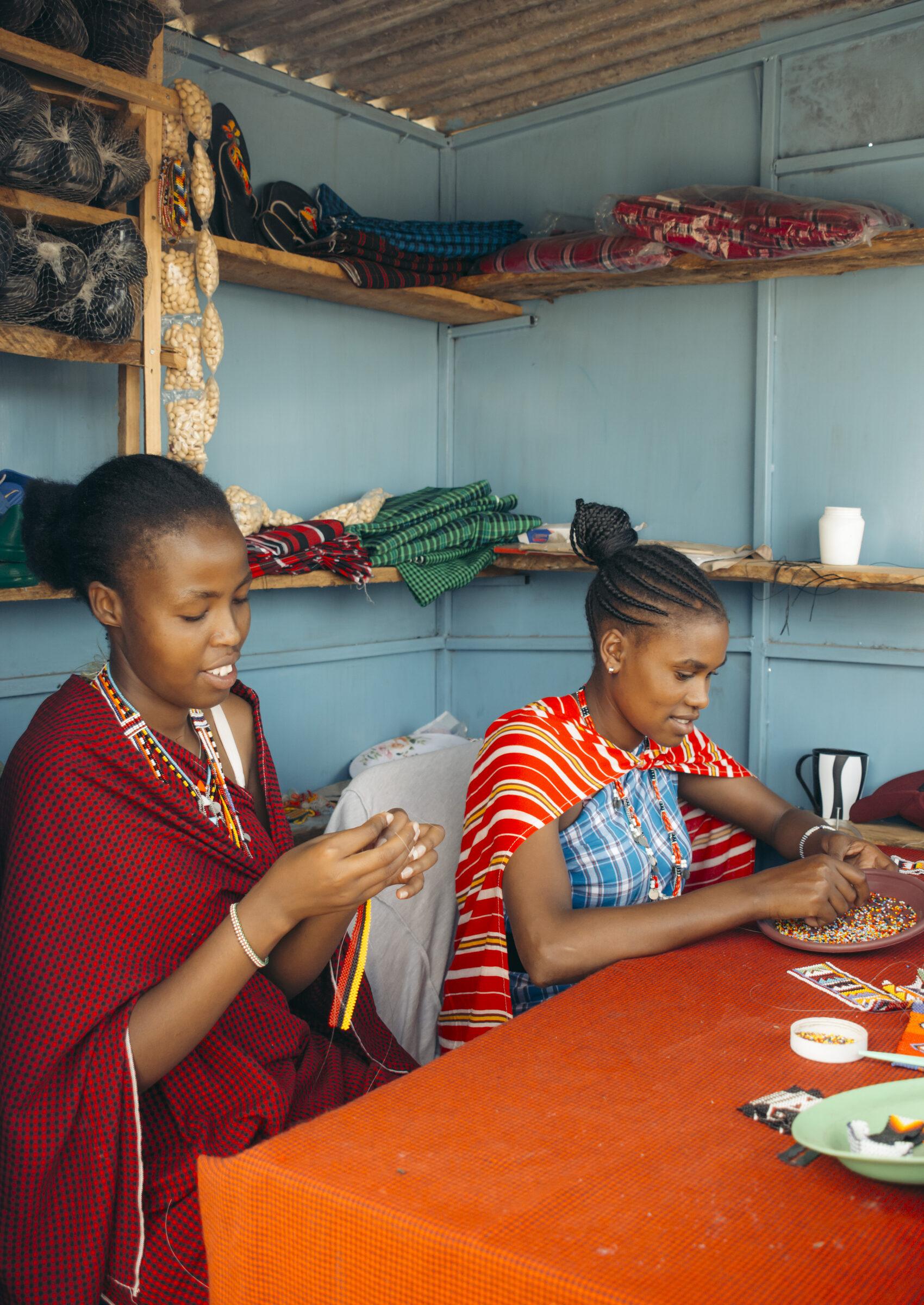
Youth-led enterprises in interlocking brick production, grass seed businesses, and other locally relevant activities.
Technical, entrepreneurial, digital, and financial skills that respond to real opportunities.
Skills, markets, enterprise opportunities, and meaningful participation for women and girls.
Young people contributing their knowledge to decisions affecting their communities and landscapes.
Connecting youth, community institutions, buyers, technical experts, and funders around locally led solutions.
Our values
Collective humanityOur wellbeing is connected; progress should strengthen the communities around us.
Rooted in who we areMaasai heritage and Indigenous knowledge are living resources for contemporary solutions.
Opportunity without humiliationPeople deserve to build their futures without being treated as helpless.
Youth leading changeYoung people make decisions, take responsibility, and shape their own pathways.
Responsibility to the landHealthy landscapes and responsible management of the resources we depend on.
Expanding accessRemoving the barriers that exclude youth and women from skills, markets and decisions.
Doing what we sayTransparency, accountability, realistic commitments and honest reporting.
Building from our own knowledgeNew technologies and ideas, grounded in local realities.
Intergenerational responsibilityLearning from those before us; leaving stronger communities and healthier land for those after.
Our approach
We do not assume that every idea will work in every community or that every young person needs the same support. We begin by listening.
We engage young people, women, community members, and local institutions to understand needs, existing knowledge, and the challenges that matter most.
We prioritize learning that can be applied directly to restoration, enterprise development, and community projects.
We test ideas at a manageable scale, assess costs and market demand, and learn before expanding.
We design initiatives that combine restoration with paid work, enterprise development, and stewardship.
Technical experts, local authorities, community institutions, businesses and development partners strengthen our reach.
Income generated, enterprises sustained, land restored, skills applied, opportunities created.
Who we serve
Rooted in pastoralist realities, while recognizing that young people experience them differently depending on location, education, gender, household circumstances, and access to markets.
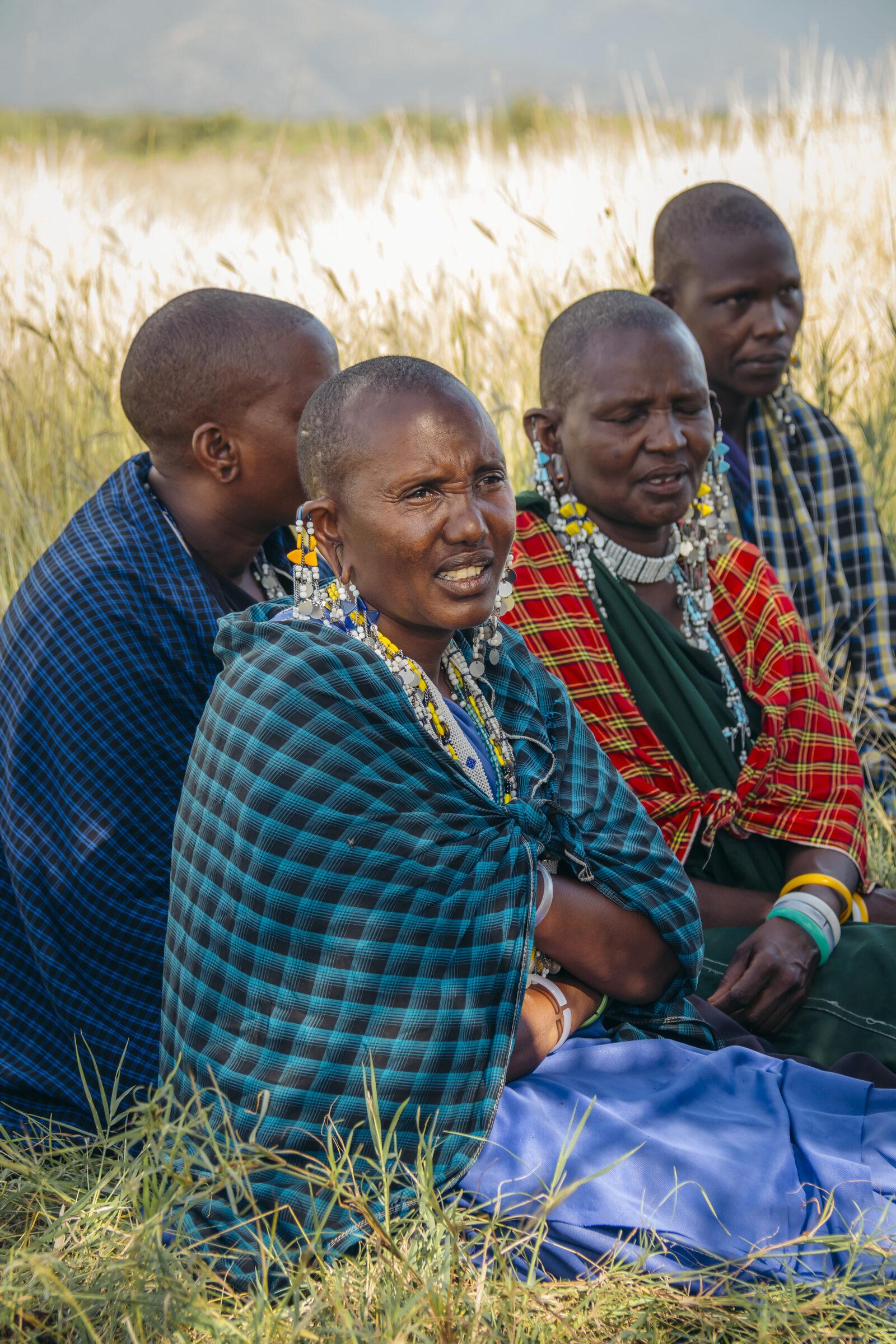
Practical skills, enterprises and income — interlocking brick production and other locally viable businesses.
Enterprise and restoration opportunities, including grass seed businesses, with real access to markets and decisions.
Young people keeping a meaningful relationship with their culture while pursuing education, technology and business.
Communities whose livelihoods depend on livestock, land and natural resources, facing environmental change.
Continue
Our initiatives