UBUNTU’S

Two programmes. One conviction: the people closest to the land should help restore it, and benefit from that work.

01Youth-Led Land Restoration02Youth Economic Empowerment

Initiative 01 · Youth-Led Land Restoration

Bringing life back to the land

Restoring the land. Renewing livelihoods. Protecting our future.
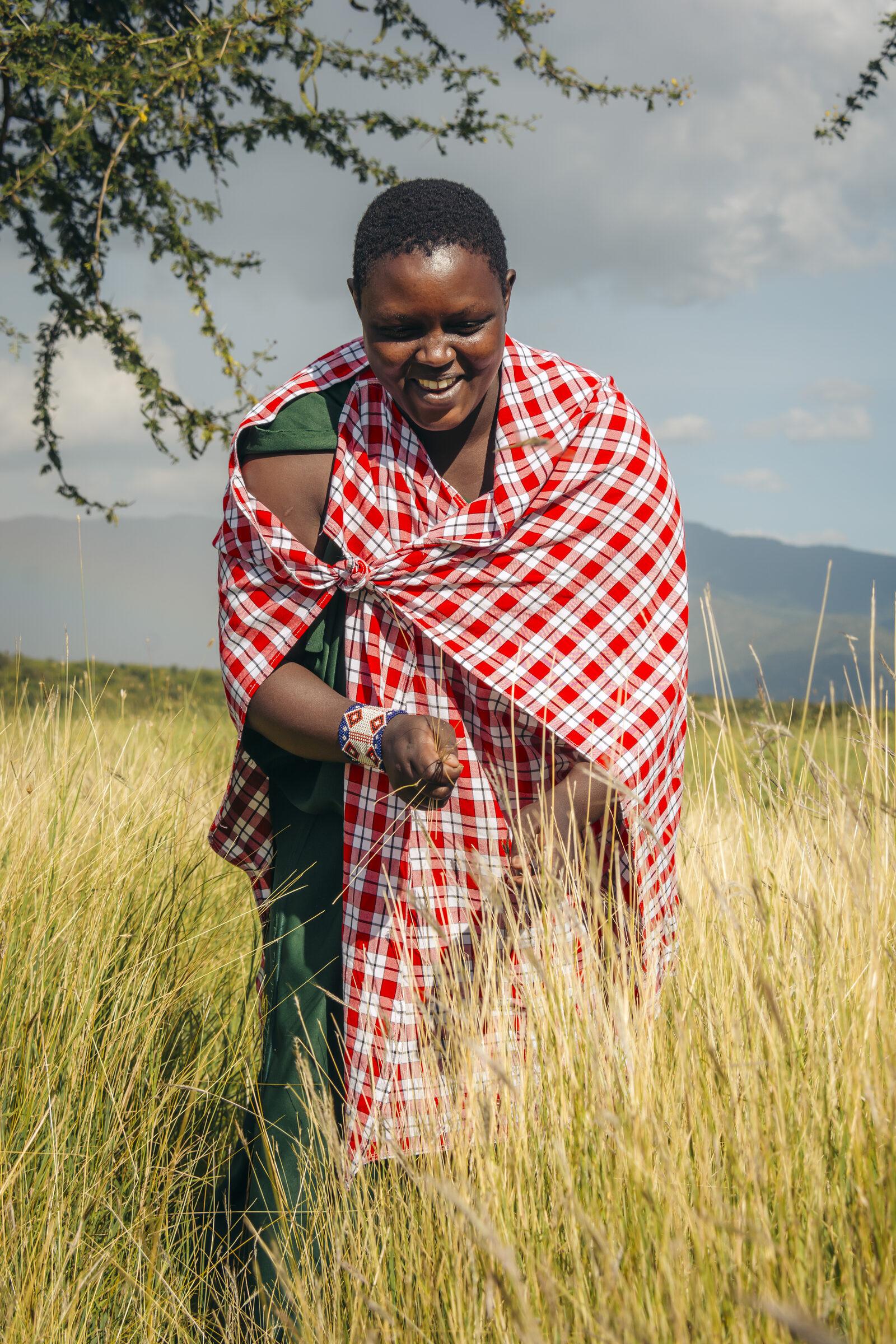
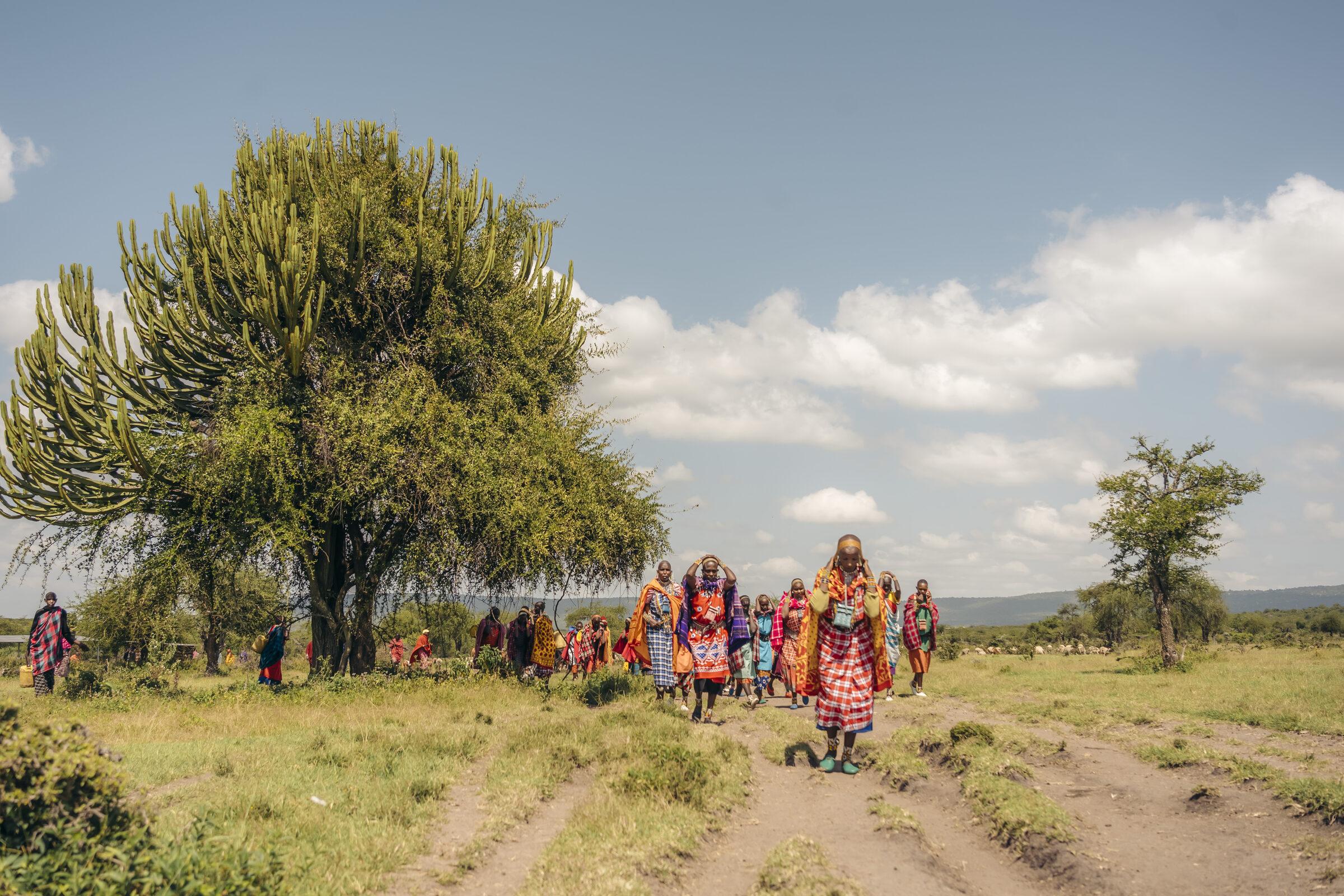
Our landscapes sustain livelihoods, culture, biodiversity, and the movement of livestock. When they become degraded, the consequences extend beyond vegetation and soil — to grazing, household income, livestock health, and the choices available to young people.

We want young people to become skilled participants in the restoration economy: people who can provide services, produce restoration materials, support land recovery, and earn income through work that benefits their communities.

  1. A

    Community grass seed banks

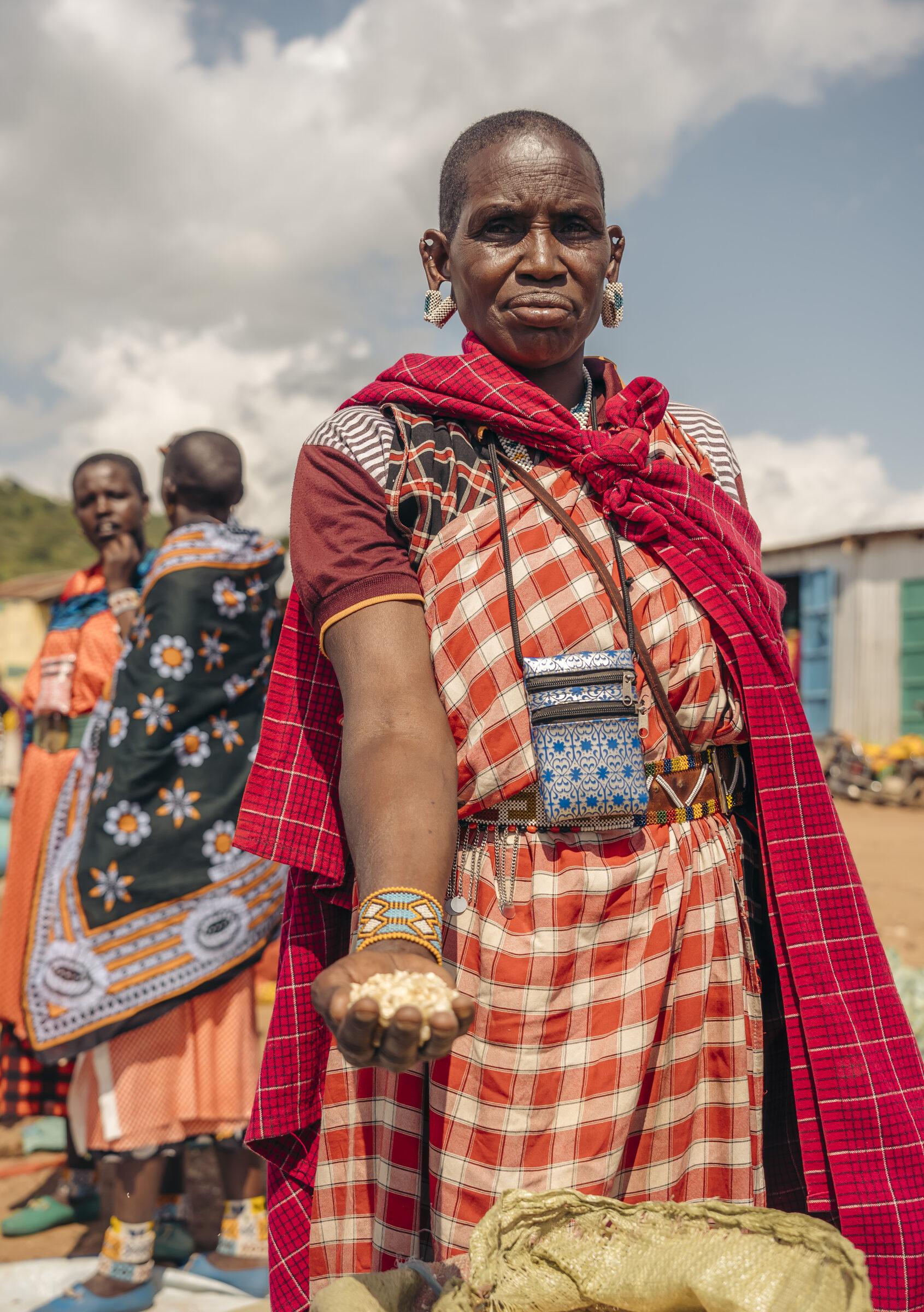
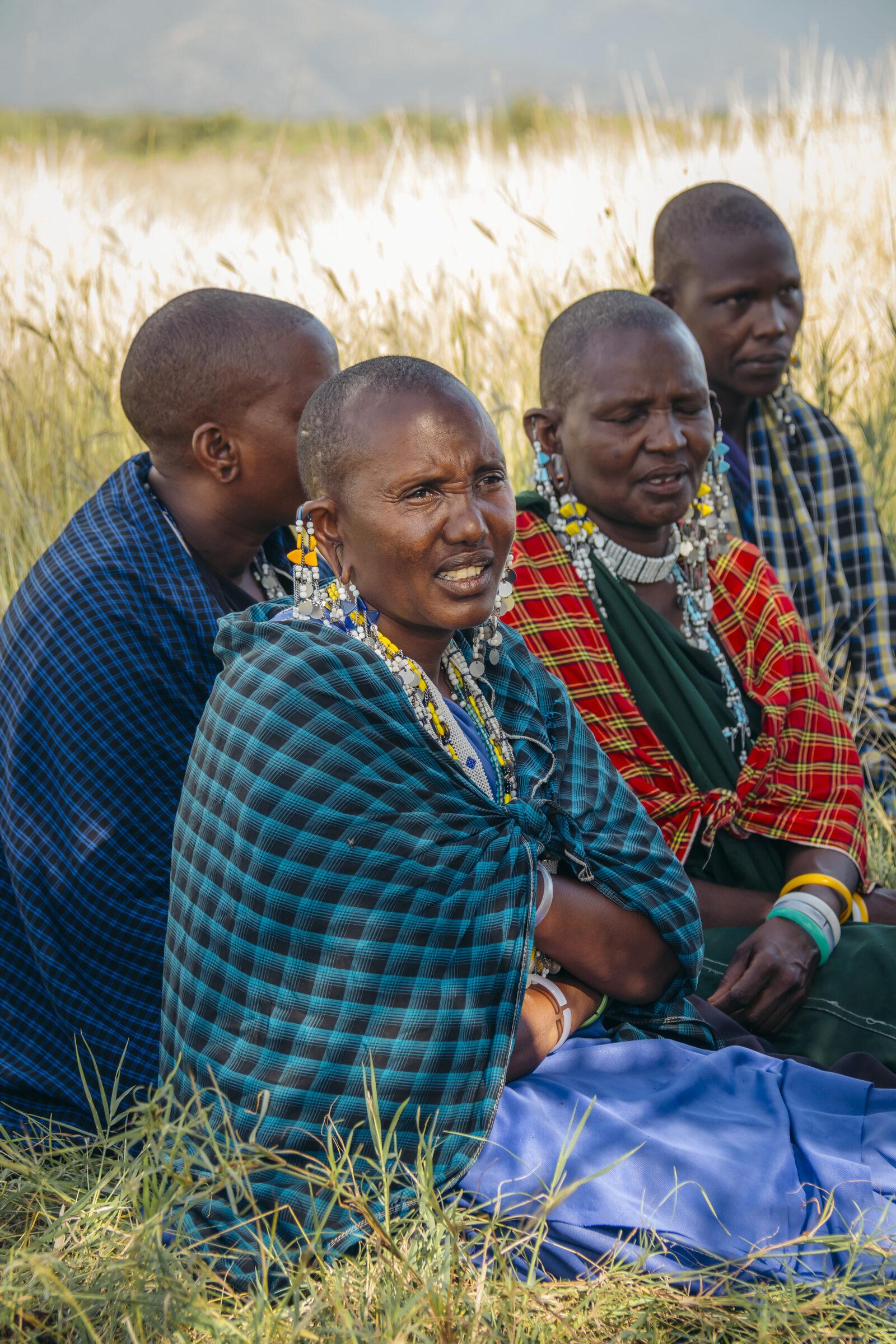
    Grass seed banks support the collection, handling, storage, and sale of appropriate grass seeds for rangeland rehabilitation. Women and young people can build local seed supply systems that create income while making restoration materials more accessible.

    Grass seed banks are not simply stores of seed. They can become community assets that connect local ecological knowledge, women's economic participation, and the restoration of degraded land.

    Our approach aims to

    • Identify suitable indigenous and locally adapted grass species with community members and restoration specialists.
    • Train seed collectors and producers in responsible harvesting, handling, storage, and quality control.
    • Establish community-managed seed storage and supply systems where feasible.
    • Connect seed producers with restoration projects, landholders, institutions, and other buyers.
    • Support restoration using species and methods suited to local soils, rainfall, and grazing patterns.
  2. B

    Invasive species management

    Invasive plants can alter vegetation, reduce desirable forage, and change ecosystem functions — but their effects and the right methods differ by species and location.

    Trained youth work with communities and technical partners on awareness, mapping and monitoring, targeted removal where appropriate, safe handling, and follow-up restoration. We prioritize ecological evidence, worker safety, and monitoring, because removal without a restoration plan can lead to regrowth or further degradation.

  3. C

    Youth restoration teams

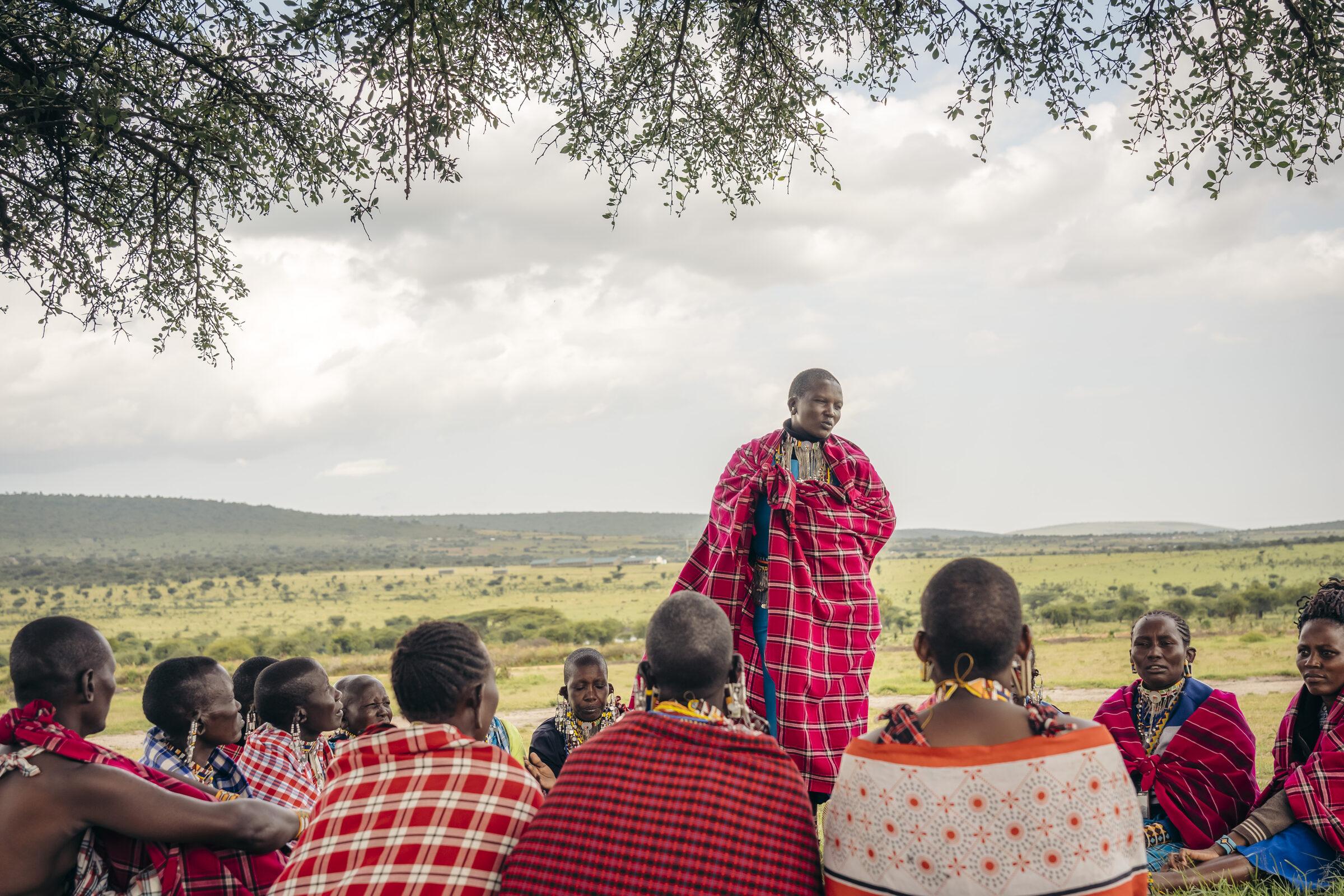
    Local teams that provide practical services to communities, landholders, conservation initiatives, and restoration projects — seed collection, site preparation, restoration planting, erosion control, invasive species management, and monitoring.

    The objective is to build local capacity and create paid work while improving the condition of the land.

Expected outcomes

We measure progress through the quantity and quality of seed produced, sales and income generated, youth trained and employed, area treated, and the condition of restoration sites over time.

  • 01Increased local availability of suitable grass seeds
  • 02New income for women and youth in seed enterprises
  • 03Greater youth participation in restoration
  • 04Improved management of priority invasive species
  • 05Restoration of selected degraded sites
  • 06Stronger links between producers and restoration markets

Initiative 02 · Youth Economic Empowerment

Building livelihoods, one enterprise at a time

From untapped potential to practical opportunity.

For many pastoralist youth, access to formal employment, finance, business training, equipment, and established markets remains limited. Yet communities have real needs that can support locally owned enterprises.

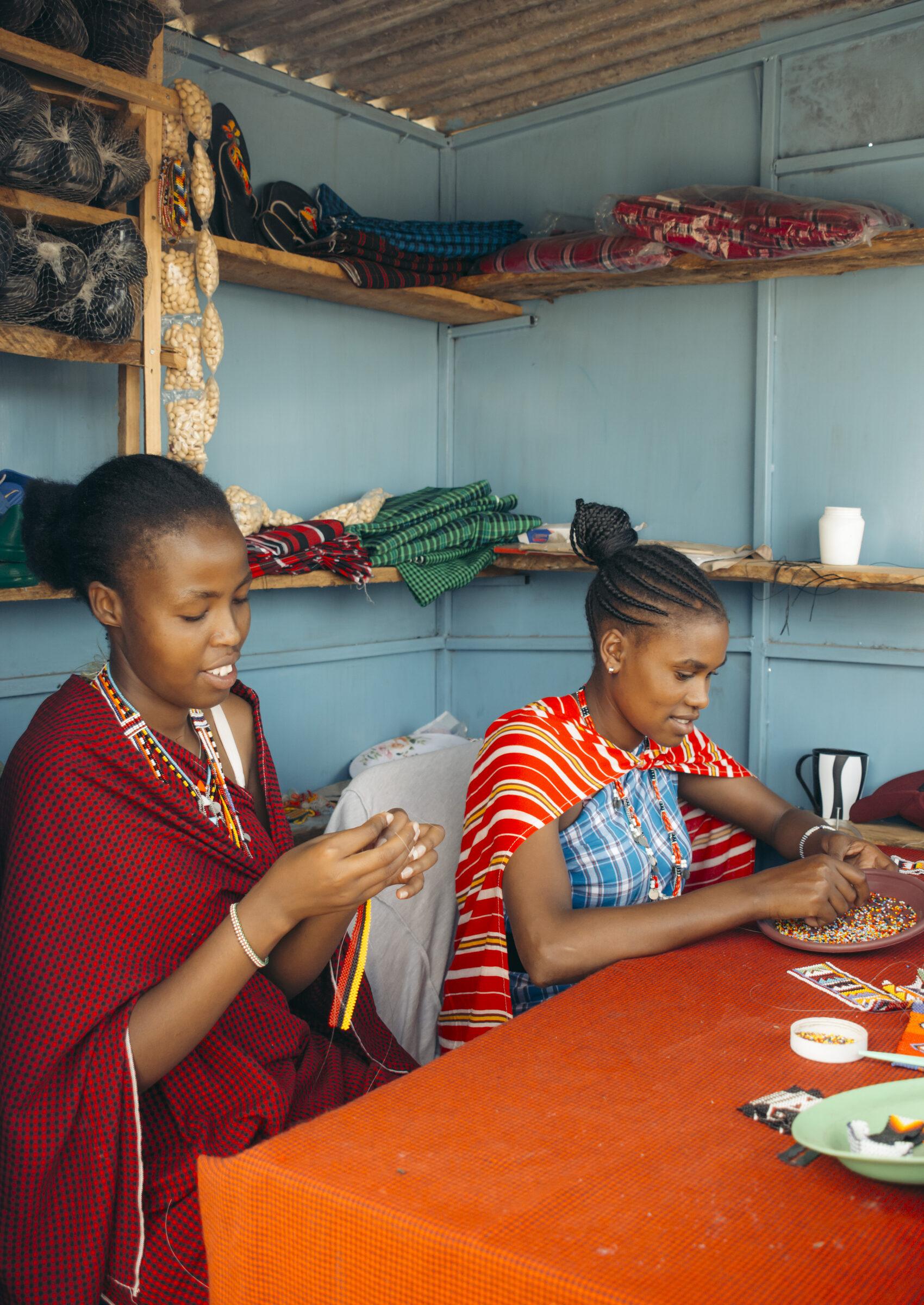
Ubuntu's Flame helps youth identify those needs, develop practical skills, establish viable businesses, and connect with customers — enterprises that generate income, solve real problems, and strengthen community resilience.

  1. A

    Interlocking brick enterprises

    We support young people — particularly young men who want production and construction skills — to establish interlocking brick enterprises, selling to households, contractors, institutions, and suitable building projects.

    Market demand, production costs, transport, and access to raw materials inform where enterprises can succeed. Our ambition is businesses that operate sustainably, employ more youth, and serve local construction needs.

    Our support may include

    • Training in production techniques, quality control, and safe equipment use.
    • Business planning, costing, pricing, recordkeeping, and financial management.
    • Support to assess local demand and identify buyers.
    • Connections with suppliers, construction professionals, and institutional customers.
    • Guidance on product testing and appropriate building standards.
  2. B

    Grass seed businesses

    Grass seed enterprises connect our two core initiatives. Women and young people build businesses around collecting, processing, storing, and selling appropriate seed to restoration projects, landholders, and other buyers.

    We strengthen their foundations through training, quality assurance, collective organization where appropriate, and market development — so that women's knowledge and work translate into greater economic independence, choice, and recognition.

  3. C

    Skills for a changing world

    Not every young person will become a brick producer or seed entrepreneur. Different interests and markets require different pathways — with an emphasis on skills young people can apply in real situations.

    Practical learning in

    • Entrepreneurship and financial literacy
    • Digital and information technology skills
    • Communication, storytelling, photography, and media
    • Technical and vocational training
    • Business development, marketing, and customer relations
    • Environmental management and restoration techniques
  4. D

    Connecting youth to markets

    A trained young person still needs customers. We build relationships with construction companies, schools, community institutions, restoration projects, suppliers, and development organizations — and encourage enterprise models that account for real costs and revenue rather than depending indefinitely on grants.

Expected outcomes

We assess progress through businesses launched and sustained, sales and revenue, jobs created, youth trained, women's participation, and access to repeat customers.

  • 01Youth-owned enterprises established or strengthened
  • 02Increased access to practical and entrepreneurial skills
  • 03Greater participation of women in income generation
  • 04New employment and self-employment opportunities
  • 05Stronger links between producers and buyers
  • 06Increased household and community resilience

Our impact

From activities to lasting change

For young people

Practical skills, enterprise opportunities, markets, and a voice in decisions affecting their futures.

For women

Greater opportunities to earn income, build enterprises, participate in restoration, and exercise economic choice.

For the land

Better restoration practice, more suitable grass seed, responsible management of invasive species.

For communities

Stronger local capacity, new livelihoods, and greater participation in shaping development.

For future generations

A stronger bond between cultural identity, environmental stewardship and economic opportunity.

Continue

See the gallery